Forty booths, one container, one price list.
Small-carton MOQs let a first container be assembled across dozens of stalls, then consolidated by a freight agent instead of forty separate shipments.
- One-carton MOQs
- Routed by district
- Consolidated out
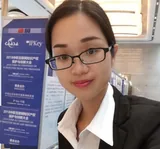 Selina Chen 陈丽明 EN ⇄ 中文 · China interpreter · Trade & sourcing
 The Yiwu Market is five districts of wholesale under one roof, and most of the stalls are traders, not factories. I walk it with you, read the real price, and write the day down.
★★★★★ 4.8/5 · 95 client reviews · clients from every continent
The Yiwu Market people mean is the Yiwu International Trade City, the Futian complex, five districts joined end to end, plus the older Binwang market across town. District 1 is artificial flowers, toys and jewelry. District 2 is bags, luggage, umbrellas and hardware. District 3 runs stationery, sports goods, cosmetics, glasses, zippers and buttons. District 4 is socks, gloves, hats, shoes, scarves and the rest of the daily-necessities trade. District 5 holds bedding, textiles, auto parts and the imported-goods halls. Tens of thousands of booths, several floors to each district, and the standing line among buyers is that a minute at every stall would keep you here for months.
What no directory tells you is that most of those booths are trading offices and factory showrooms, not the factories. The lines themselves sit out around Yiwu, Dongyang, Jinhua and Yongkang, half an hour to two hours away. The number chalked on a stall card is a starting position, and the number a walk-up foreigner hears is not the number a Mandarin-speaking buyer hears. What brings people here anyway is the MOQ. One carton is often enough, which is why a small importer can mix forty products into a single container in Yiwu and nowhere else in China.
You send your buying list, target quantities and dates. I confirm scope and a written quote in 12 hours, and a 30% deposit locks your dates against the October fair rush.
Your list gets mapped to districts and floors before you arrive, so day one is a route through the right aisles rather than a lap of a building people lose a week in.
Booth to booth in Mandarin. I read the stall card against the real number, ask the questions a trading office cannot answer about its own line, and say so when the seller is reselling.
Unit price, MOQ, carton specs and lead time settled in Mandarin, written down in English the same evening, then the mixed container handed to a freight agent who actually answers.
Every rate includes city travel and a written summary of each day. No hourly creep. No surprise “translation fees.”
Starting ranges, every job quoted to your itinerary. 30% deposit confirms your dates; balance after the work.
Exactly what you get before you ask. No hourly creep, no surprise fees.
Real deals, deal type, where, and what the client walked away with.
Forty booths, one container, one price list.
Small-carton MOQs let a first container be assembled across dozens of stalls, then consolidated by a freight agent instead of forty separate shipments.
The markup shows once the questions get specific.
A showroom that cannot answer for its own tooling is reselling. When it matters, the line behind the booth is a short drive and worth the afternoon.
The second trip starts where the first one ended.
A written booth-by-booth record turns a scattered first visit into a working supplier list, so the next week is reorders and new lines, not rediscovery.
Tell me what you need for yiwu market sourcing. You'll get a fixed written quote, no obligation, no deposit to ask.
superinterpreter · selina@mychinainterpreter.com · Xiamen, China · UTC+8
Open WeChat, tap + then Scan. On a phone, long-press the code to save it and use Scan from album.
On desktop? Search this ID in WeChat to add me.